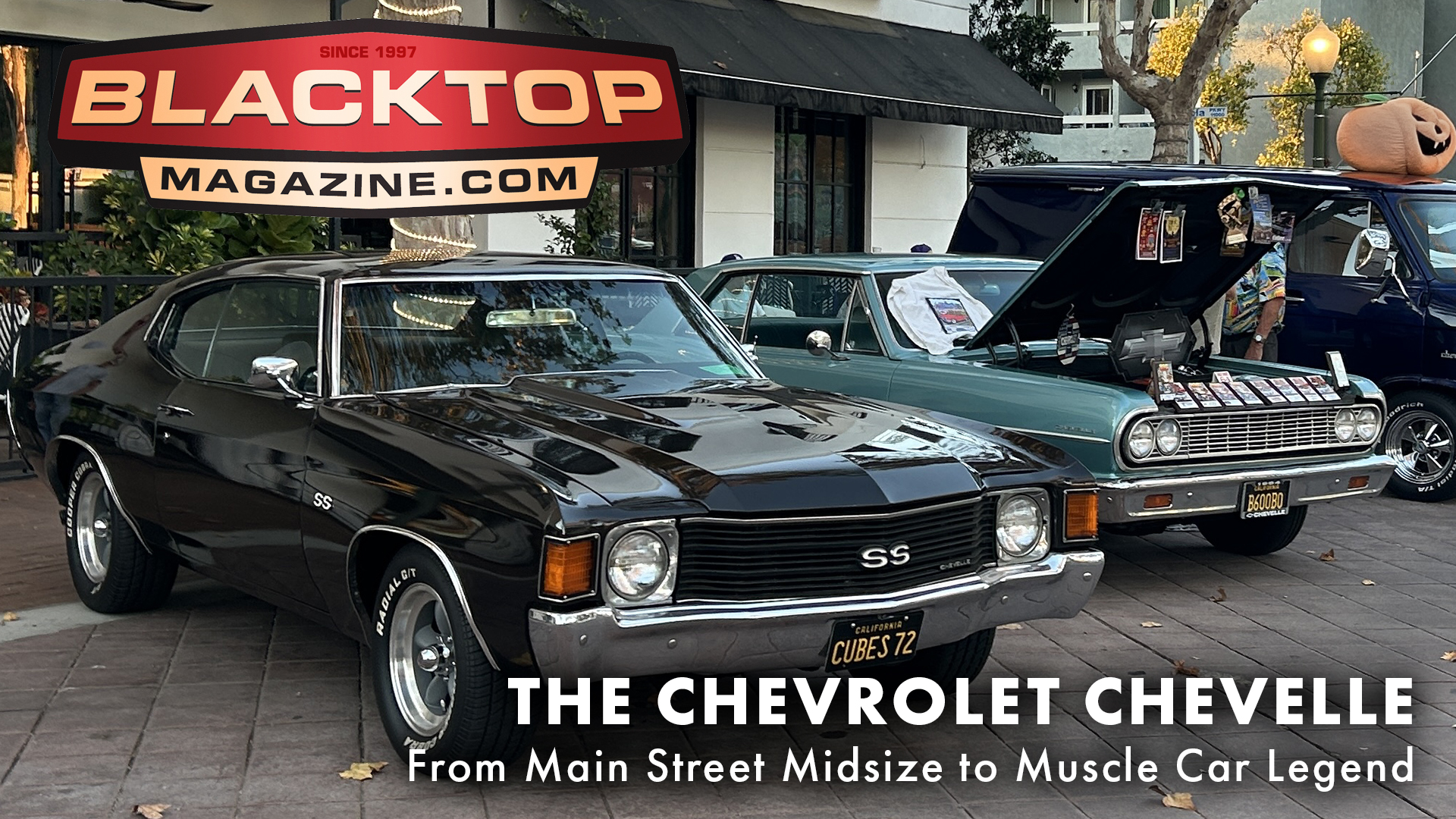
From Main Street Midsize to Muscle Car Legend
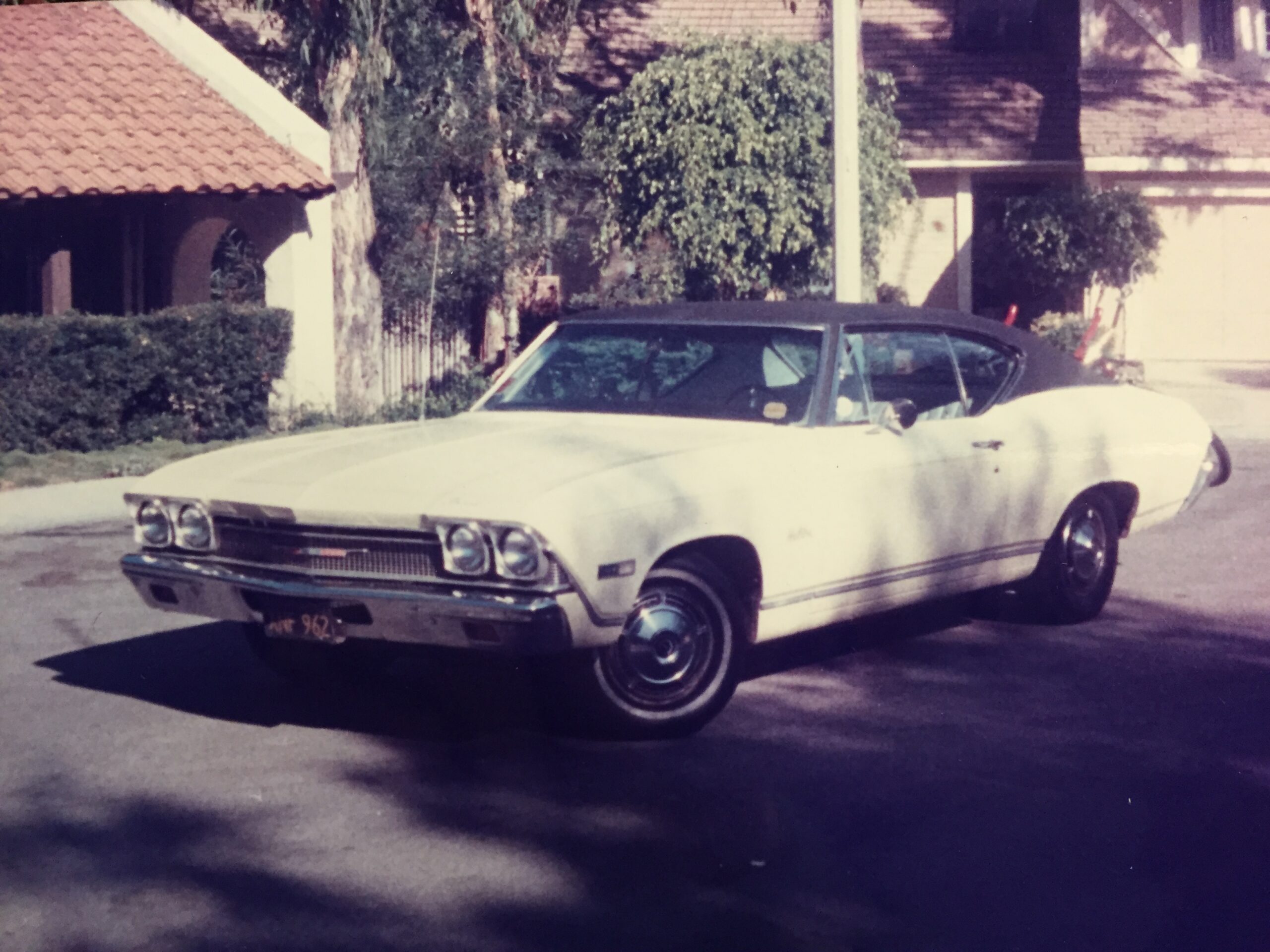
Here is the first in a series of Make/Model features here on Blacktop Magazine. I chose the Chevelle for a few reasons. One personal reason was that my only (to this point) Chevrolet I ever owned was a 1968 Chevelle Malibu. The photo below was taken around 1985 when I first got the car. I immediately put on a set of Rallye wheels 6″ up front and 10″ in the back wrapped with the venerable B.F. Goodrich Radial T/A’s. It was a good car and one faithful night going back home to East county San Diego from OC, the top radiator hose blew out. No problem. I pulled over on Interstate 5 at Crown Valley Parkway, walked down to a close-by Autozone, got a new hose, put it on in the pitch dark of night and filled the radiator and 5 miles down the road the bottom hose blew a leak and this time damaged the engine. I didn’t have the money to fix it, but that’s another story for another time. Here’s a bit on how the Chevelle became the ICON it is today.
The Chevrolet Chevelle was not originally created to become a muscle-car icon. It was designed to be a practical midsize automobile—large enough for a family, smaller and more affordable than a full-size Chevrolet, and available in enough configurations to satisfy nearly every kind of buyer.
That broad foundation became the Chevelle’s greatest strength. A customer could order one as a basic six-cylinder sedan, a comfortable Malibu, a station wagon, a convertible or a tire-smoking Super Sport. It could carry groceries during the week, tow a trailer on Saturday and line up at the dragstrip on Sunday.
Produced across three generations from the 1964 through 1977 model years, the Chevelle grew alongside the American performance-car movement. Its story follows the rise, peak and eventual decline of the original muscle-car era.
Chevrolet Enters the Midsize Market
By the early 1960s, American car buyers were beginning to look beyond the traditional full-size sedan. Ford had re-introduced the Fairlane, Pontiac had the Tempest and other manufacturers were developing automobiles that offered useful interior room without the bulk of a full-size car.
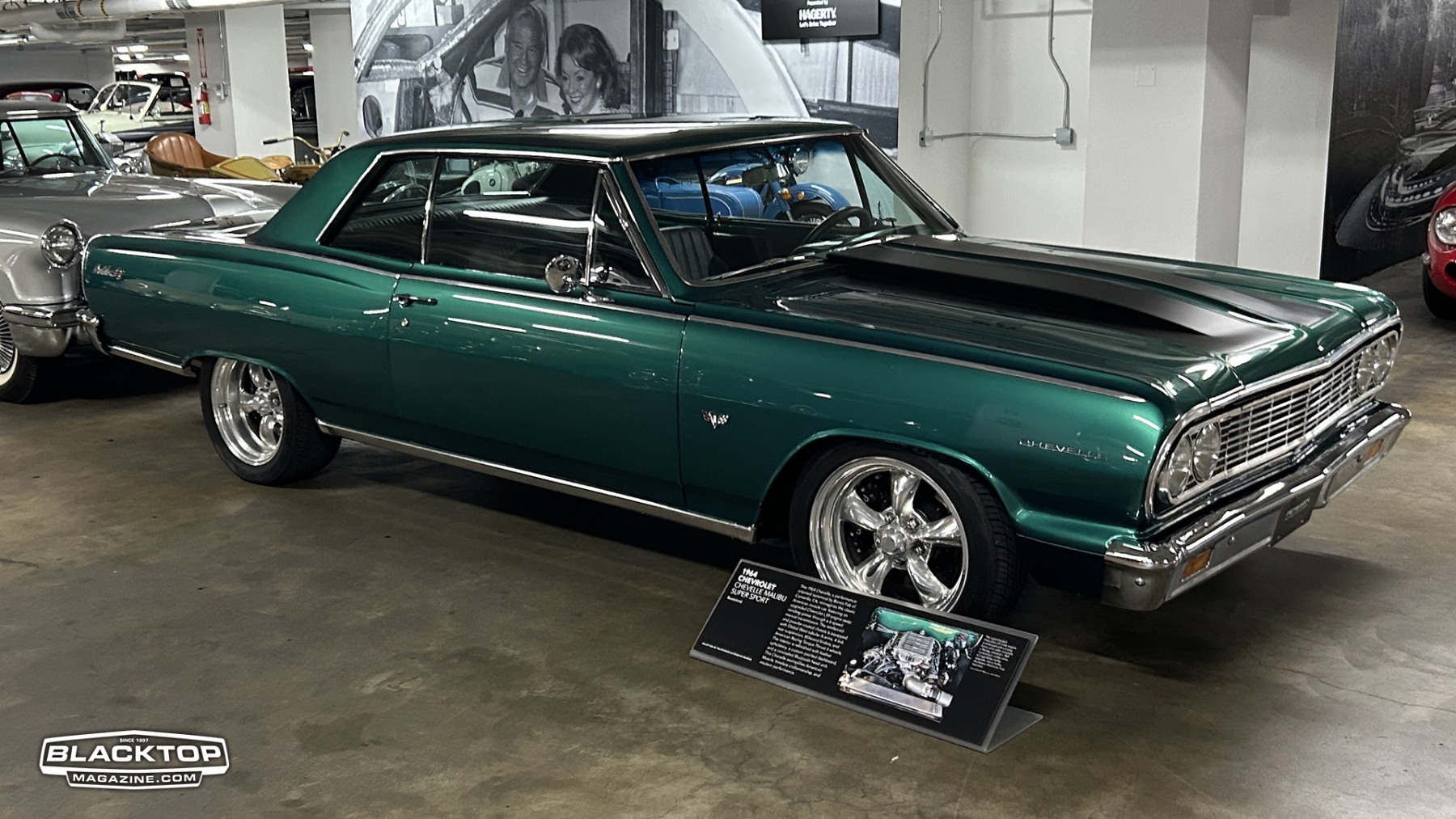
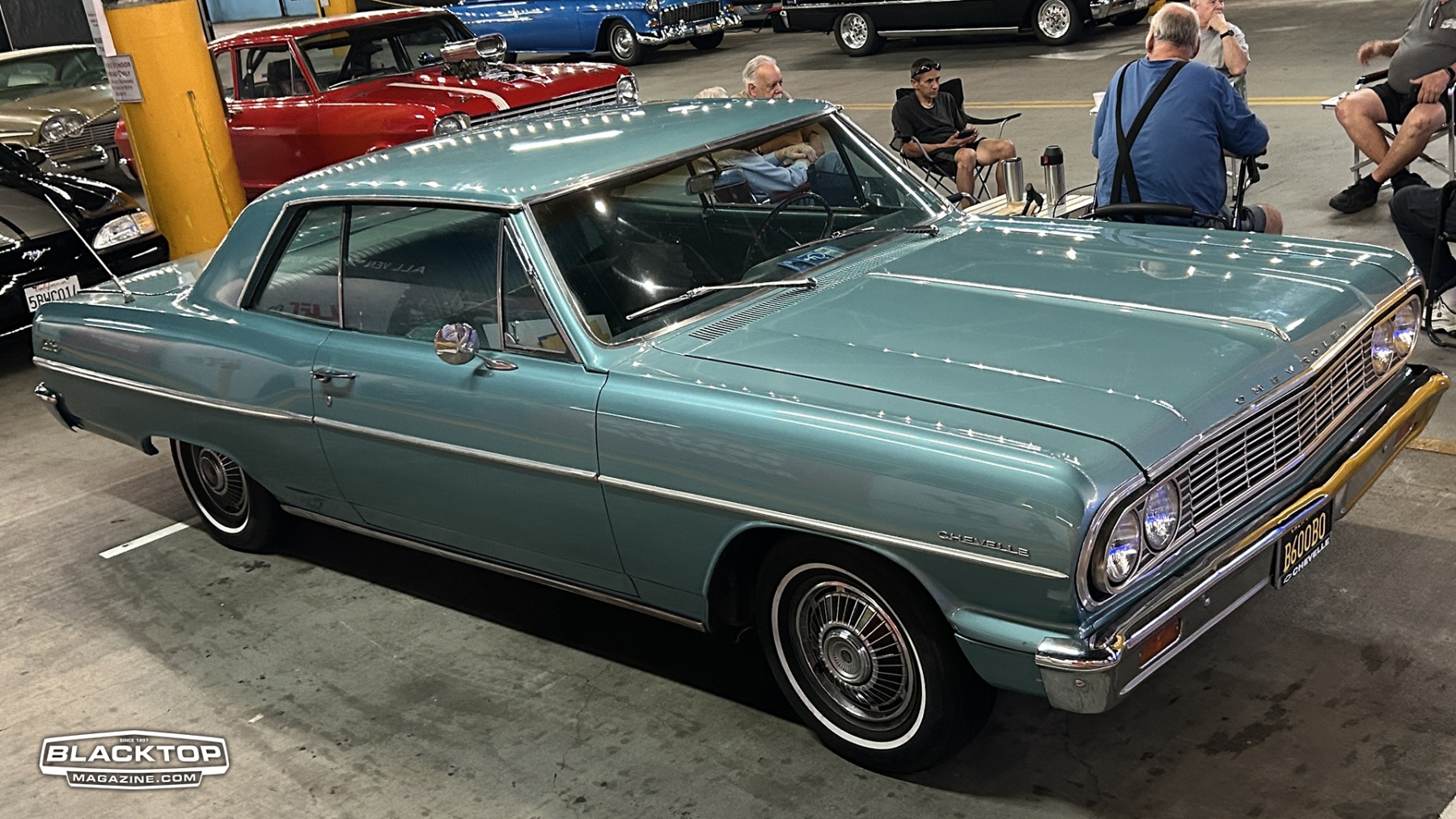
Chevrolet responded with the 1964 Chevelle. Riding on General Motors’ new body-on-frame A-body platform, it filled the space between the compact Chevy II and Chevrolet’s full-size models. The original Chevelle used a 115-inch wheelbase and was offered in a remarkably wide selection of body styles and trim levels. Chevrolet sold more than 338,000 during its first model year, proving that the company had found the right size at the right time.
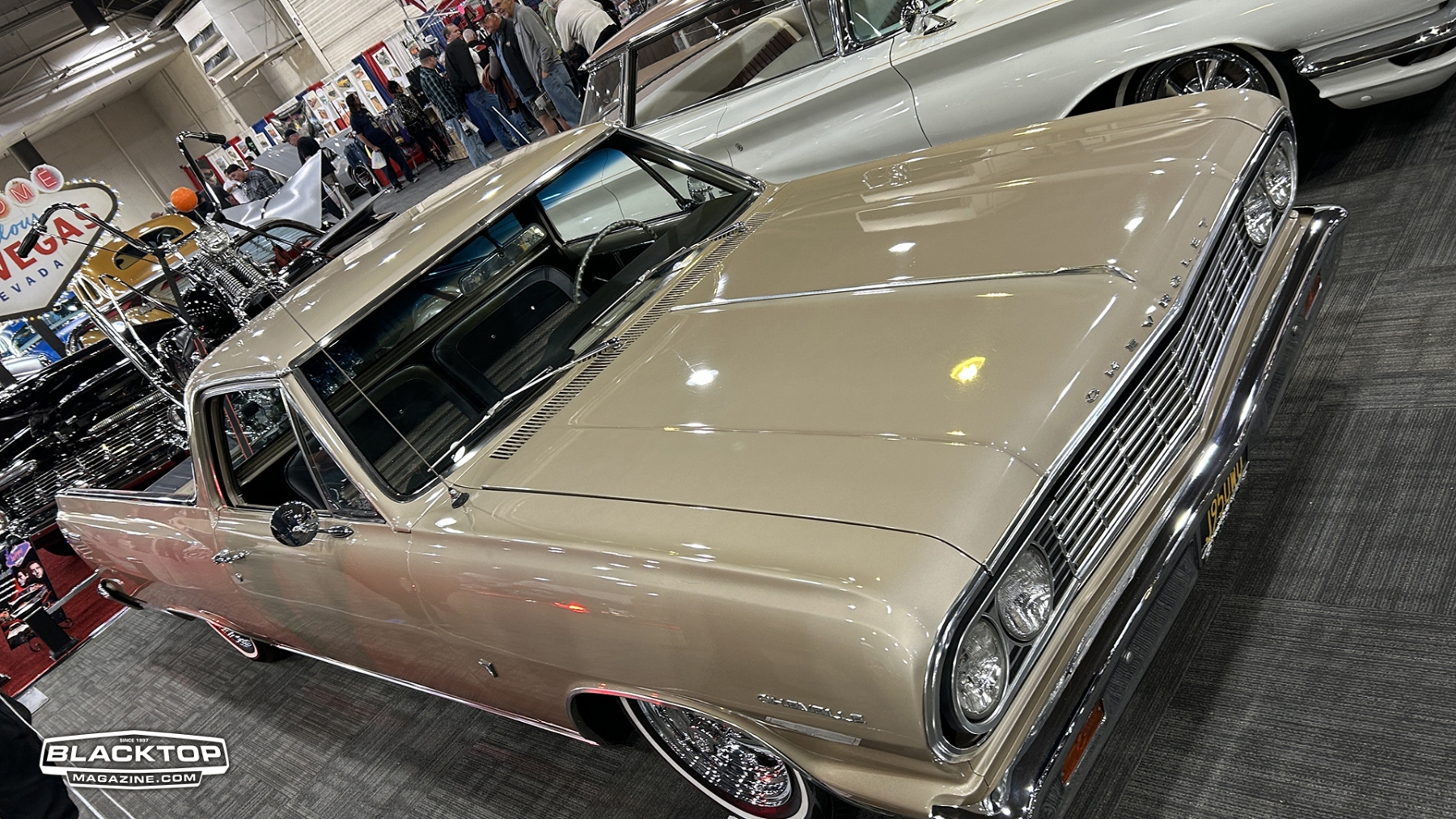
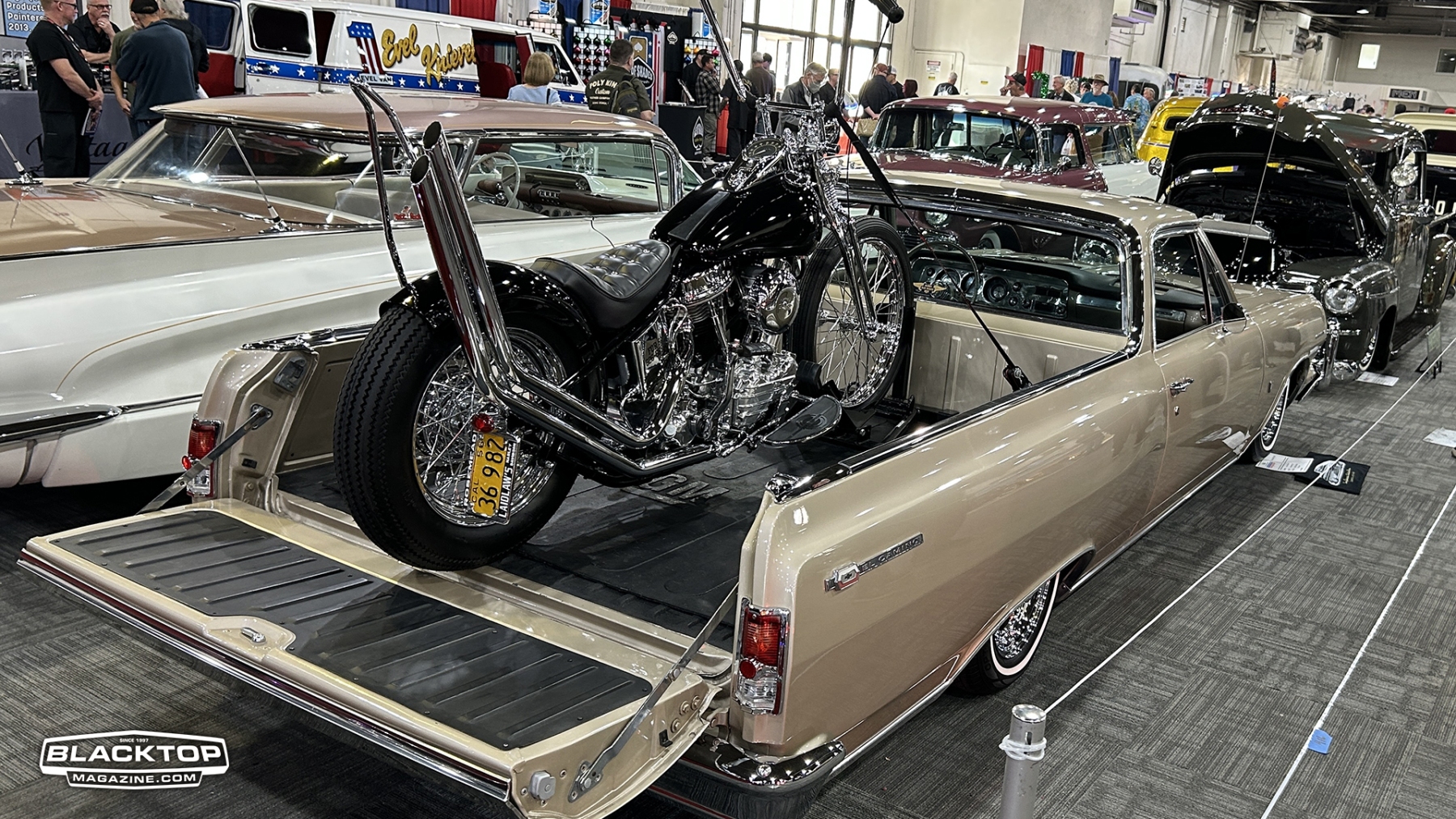
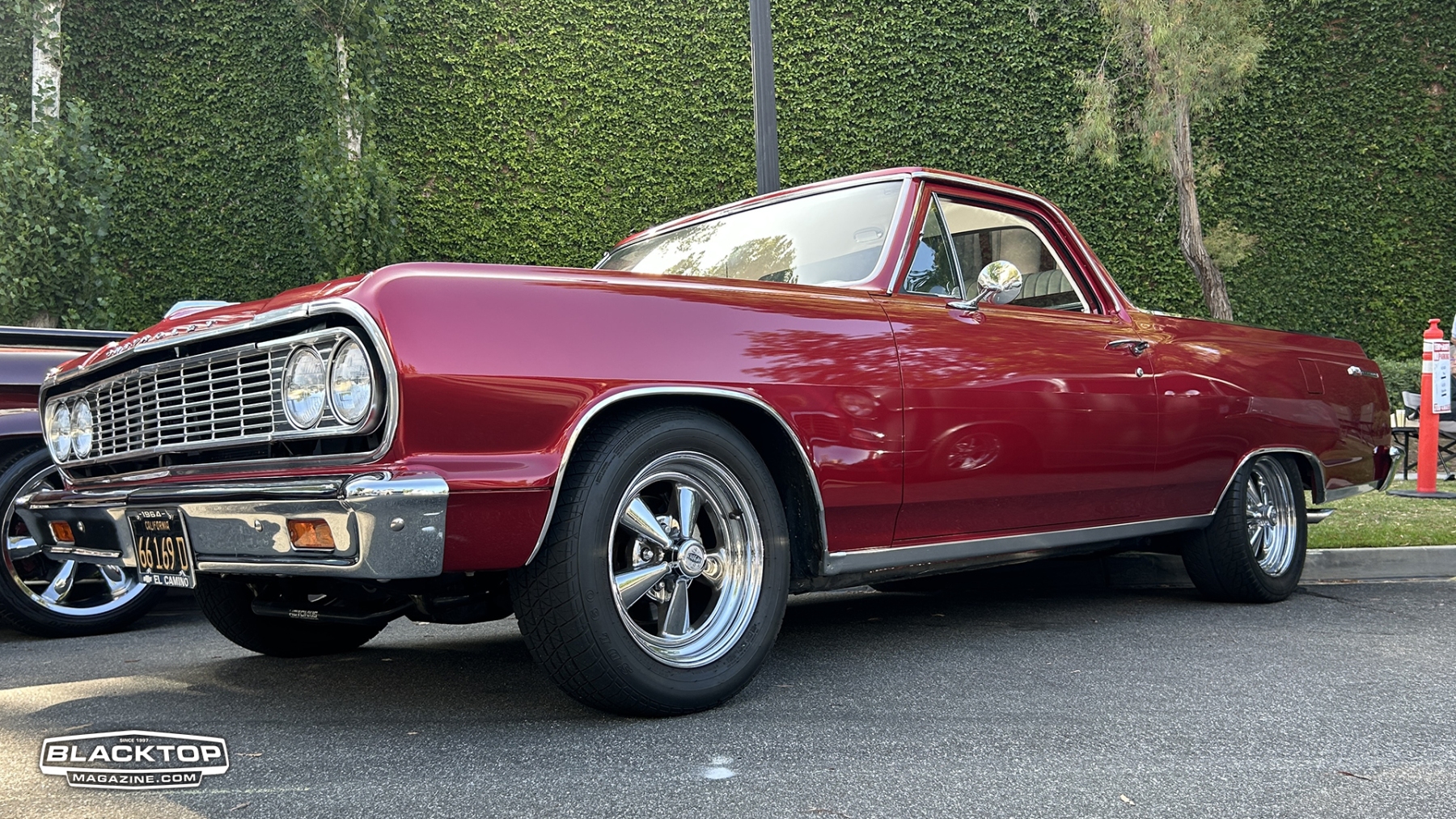
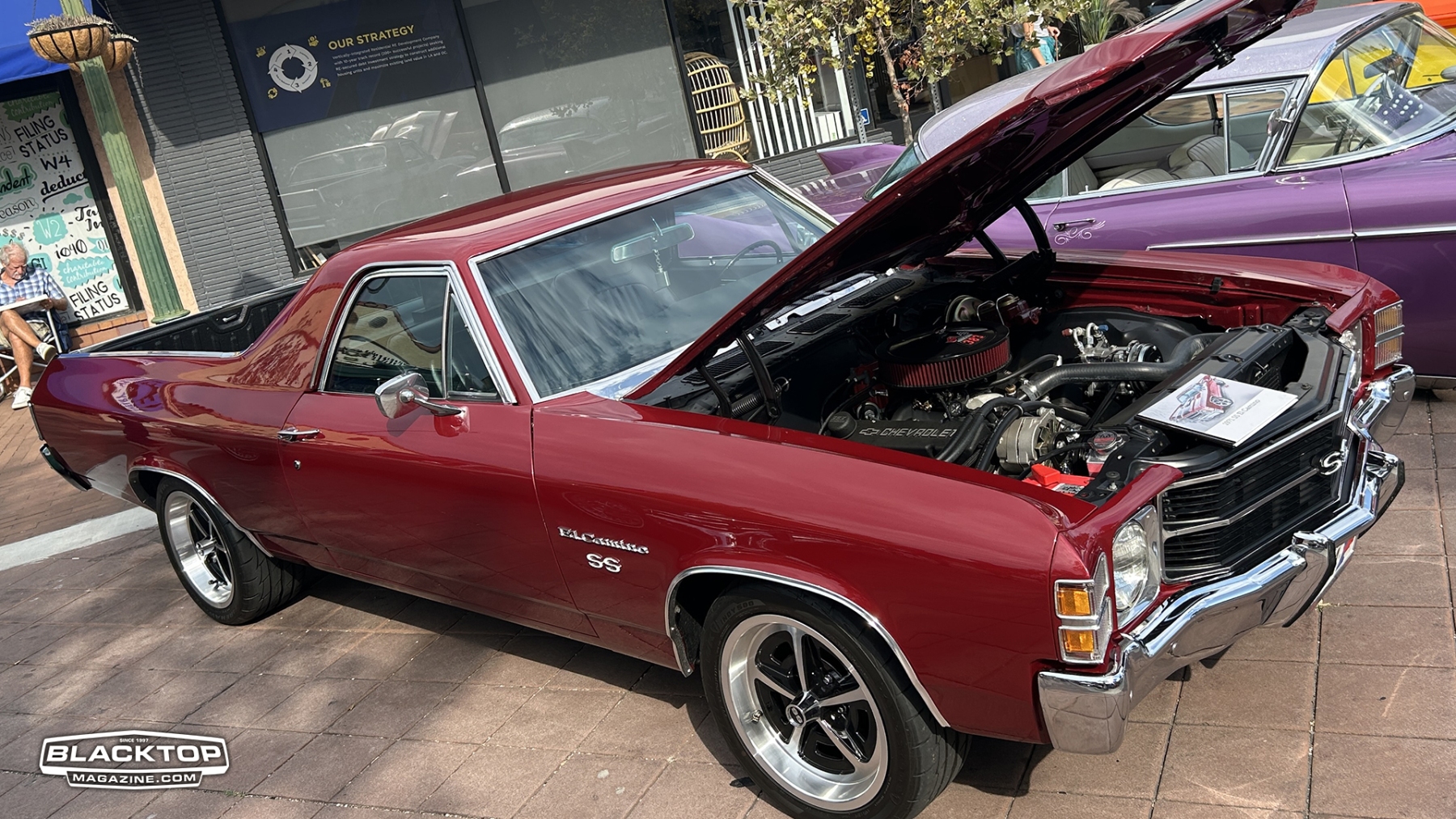
The Chevelle lineup included the basic 300, the better-appointed Malibu, two- and four-door models, station wagons and convertibles. The El Camino also returned for 1964 on the Chevelle platform, combining the front half of a passenger car with the open bed of a pickup.
The First Malibu Super Sport
The Malibu SS arrived during the Chevelle’s first year, but the earliest Super Sports were more about appearance and interior appointments than overwhelming horsepower.
The package brought bucket seats, special trim, SS emblems, upgraded instrumentation and a center console when ordered with certain transmissions. Buyers could select V8 power, including a 283 or an optional 327, but the original Malibu SS had not yet become the big-block bruiser enthusiasts remember today.
That changed quickly.
The 1965 Z16 Changes Everything
In 1965, Chevrolet installed its new 396-cubic-inch big-block in a specially prepared Chevelle Malibu SS. Known by its Z16 option code, this limited-production model received a factory rating of 375 horsepower along with heavy-duty suspension, braking and driveline components.
Only 201 Z16 Chevelles were produced, including prototypes and a special convertible. The Z16 was rare, expensive and never intended to become a high-volume automobile. Its importance went far beyond production numbers. It demonstrated that Chevrolet’s midsize platform could handle serious big-block power and helped establish the formula for the Chevelle SS 396 that followed.
The SS 396 Becomes a Real Muscle Car
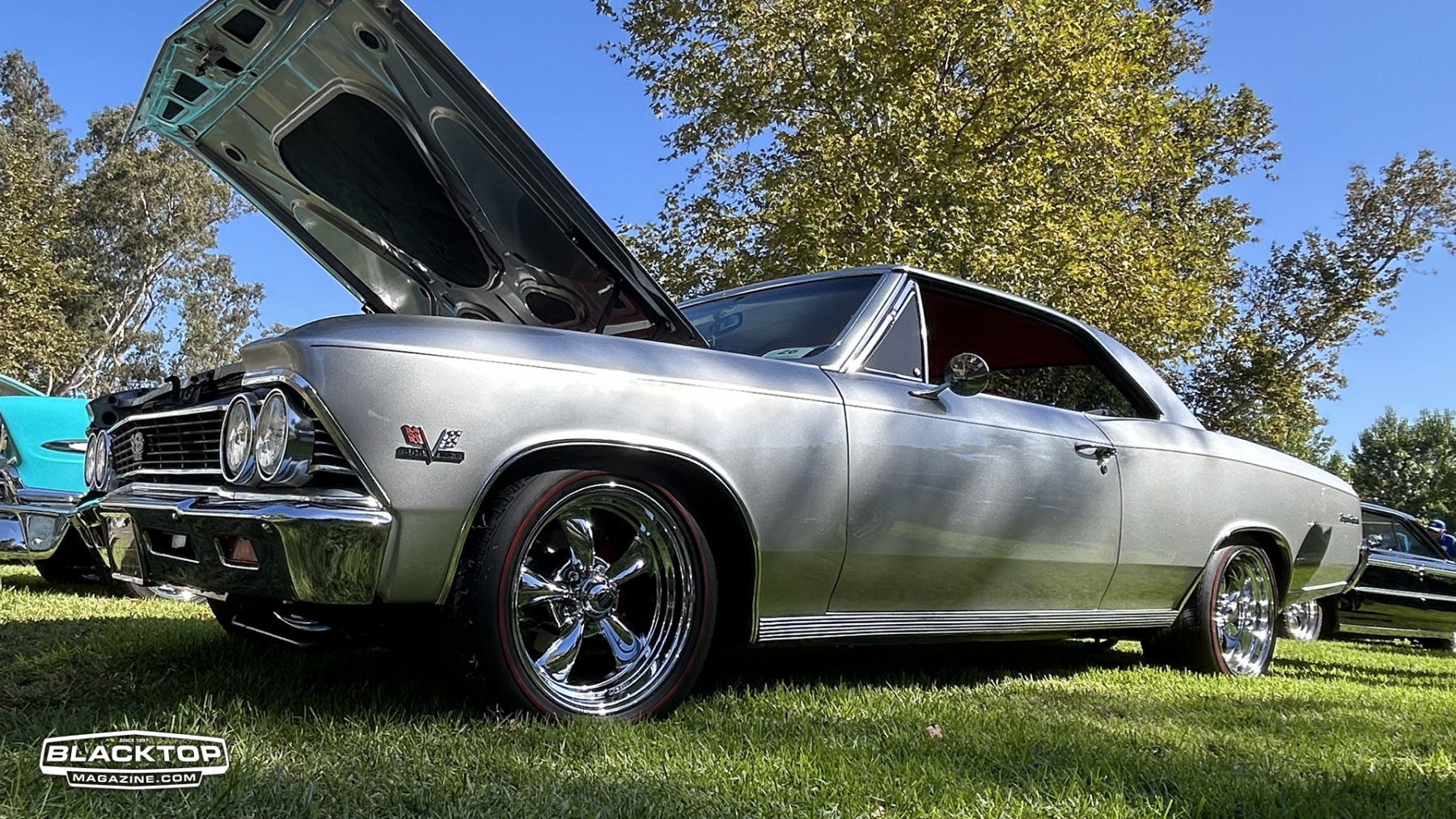
Denny picked up this beauty of a ’66 SS 396 from the original owner. Filmed at the first Champion Cooling Car Show in 2018.
For 1966, the Chevelle received a complete styling overhaul. The new body featured curved quarter panels, a wide grille, tunneled rear roof pillars and the flowing “Coke bottle” shape that was becoming a signature of Detroit design.
More importantly, the SS 396 became a separate series rather than simply an appearance package attached to the Malibu. Buyers could choose from several versions of the 396, with output reaching a factory-rated 375 horsepower. Four-speed manual transmissions, heavy-duty suspension pieces and Positraction rear axles helped turn the SS into one of the most complete performance packages of the period.
The 1967 Chevelle refined the design rather than replacing it. New front and rear styling, available front disc brakes and updated safety equipment made the car more civilized without taking away its aggressive personality. Today, the 1966 and 1967 models remain favorites among enthusiasts who prefer the compact proportions of the first-generation Chevelle.
A New Shape for 1968
The second-generation Chevelle arrived for 1968 with a longer hood, shorter rear deck and a more muscular stance. Two-door models rode on a shorter wheelbase than the sedan and wagon versions, giving the coupes proportions that looked made for performance.
The SS 396 continued, but Chevrolet no longer required every performance buyer to start with a stand-alone SS model. The Super Sport identity gradually became an option package that could be combined with selected Chevelle body styles. This makes documentation especially important today because badges and trim can be added far more easily than a genuine factory history can be recreated.
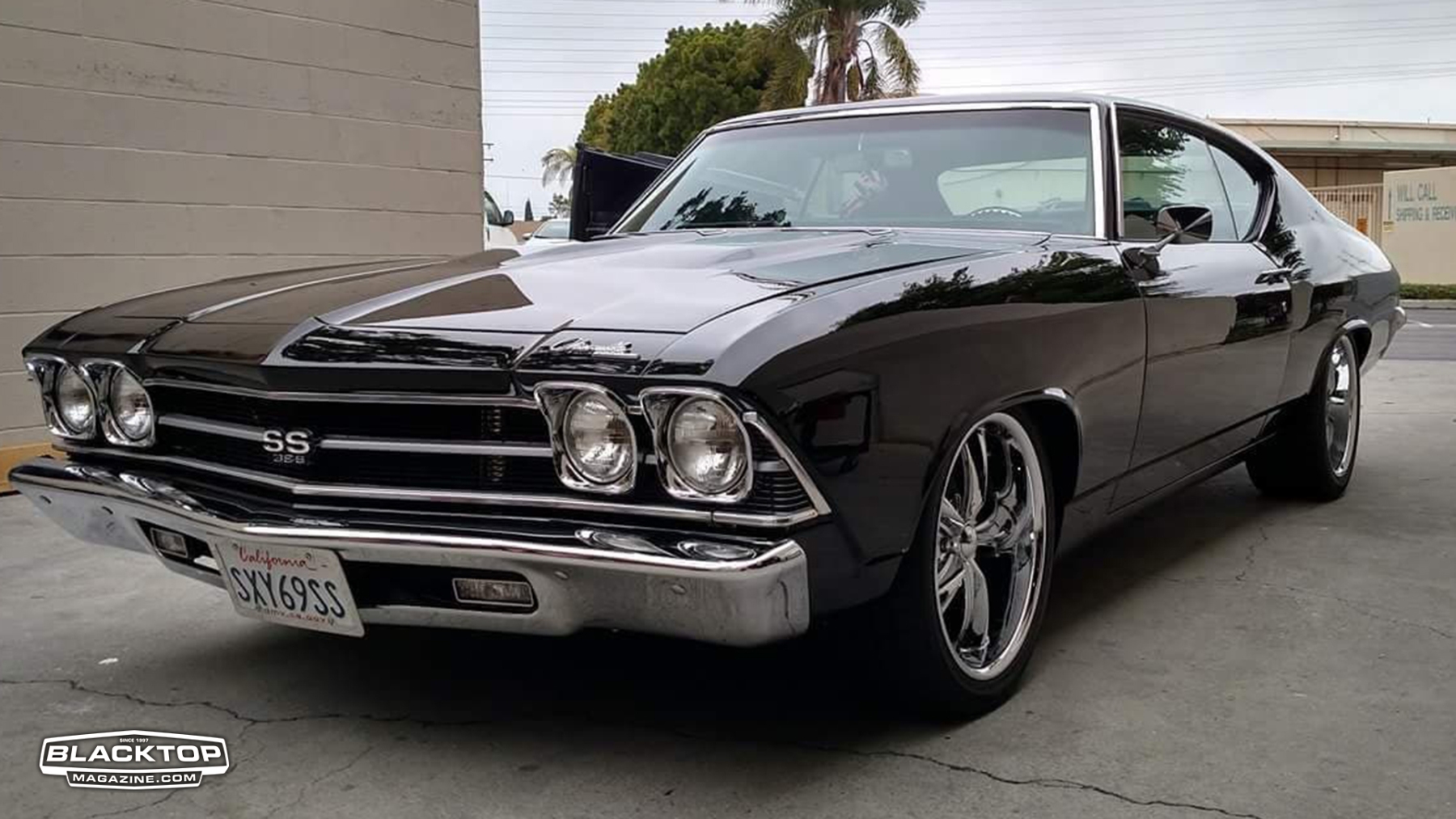
The 1969 Chevelle brought another round of styling changes, including a revised grille, taillights and body details. Underneath, buyers still had access to Chevrolet’s proven small-block and big-block engines. By then, the Chevelle was firmly established as one of the central players in America’s horsepower war.
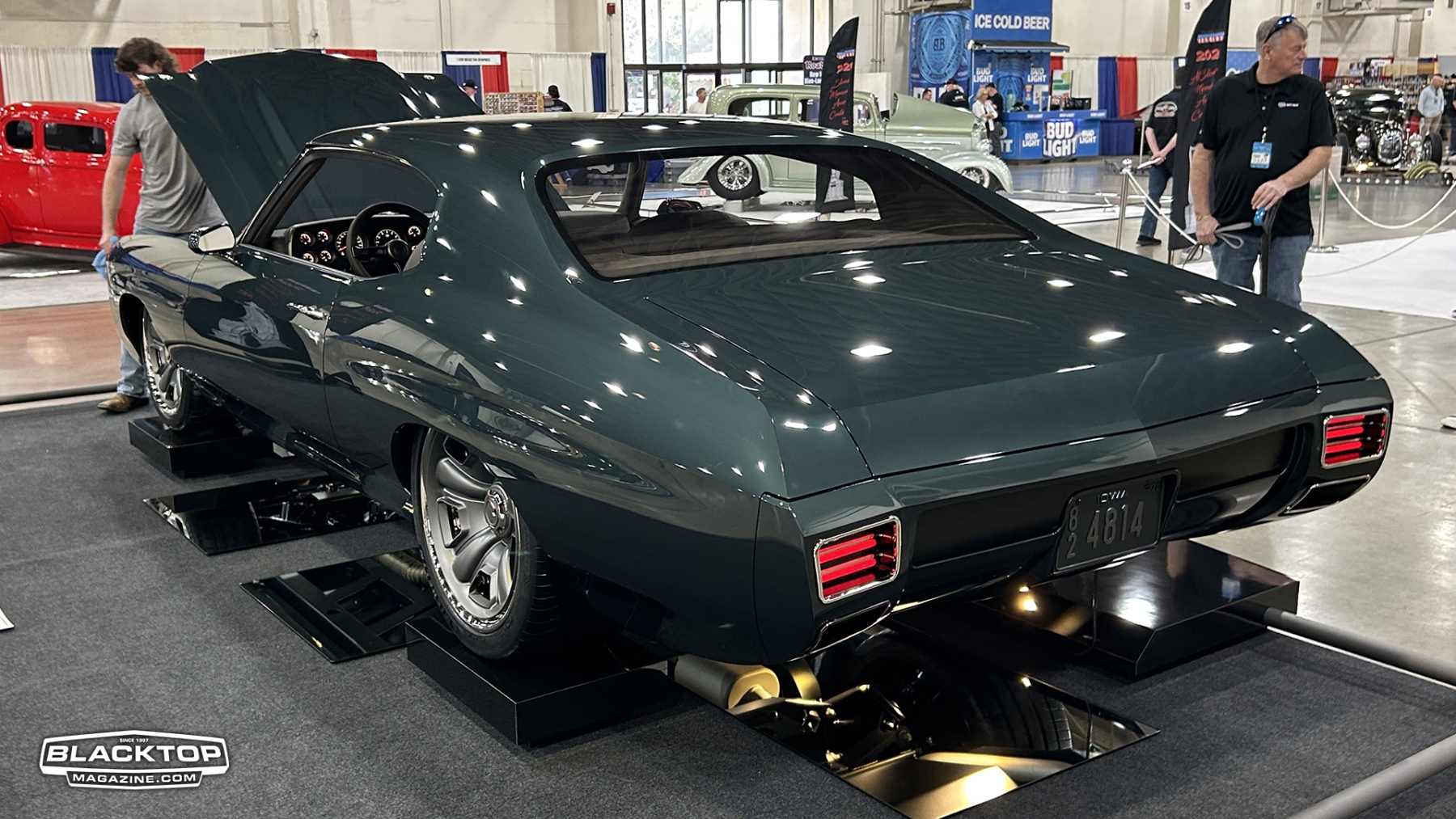
I had the opportunity to follow the build of this fully custom ’69 Chevelle built by Kelly and Son for the IDIDIT booth at SEMA a few years back. Here’s the final installment at the show.
1970: The Peak of Chevrolet Muscle
For many enthusiasts, the 1970 Chevelle represents the high-water mark of the entire muscle-car era.
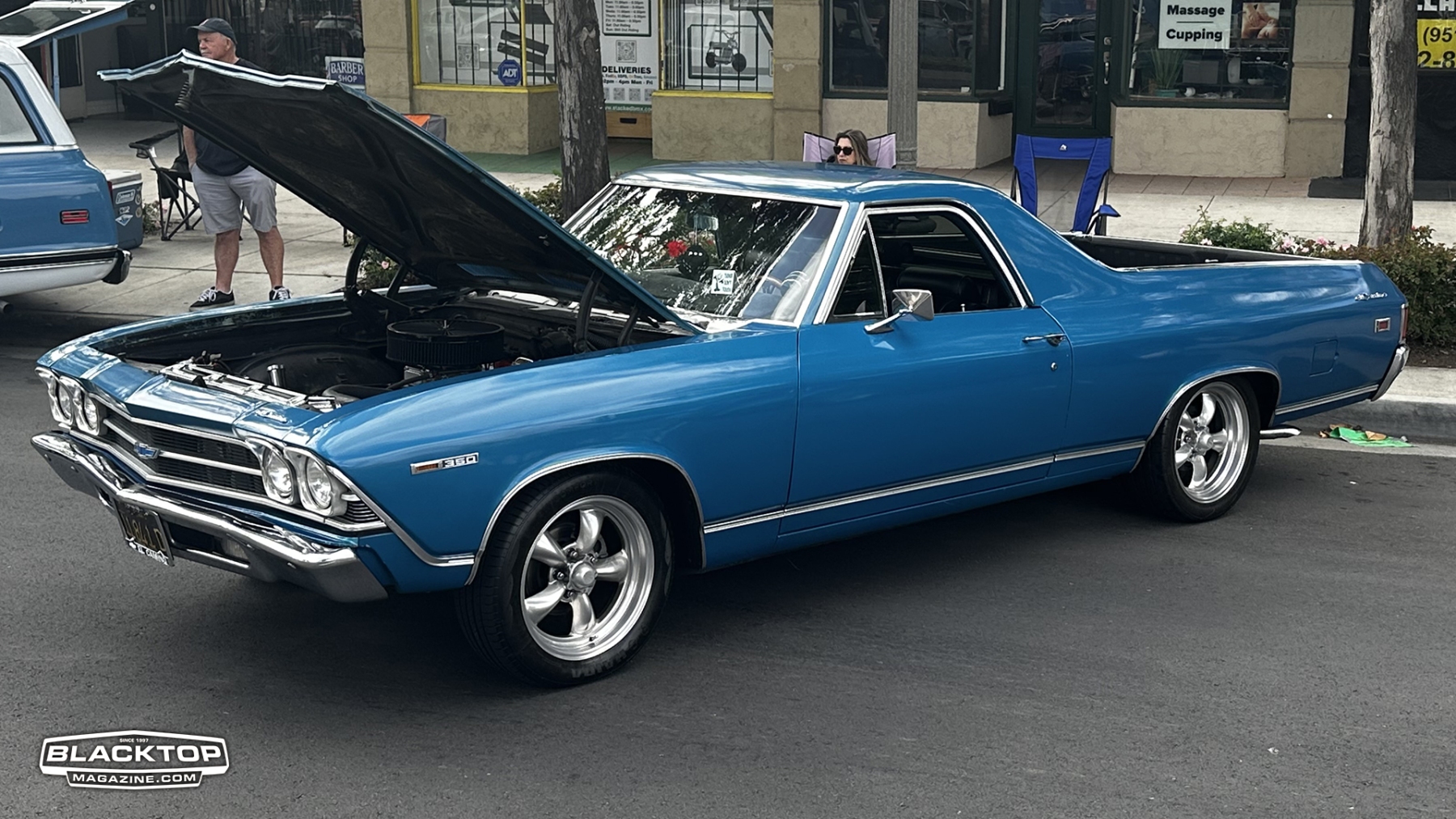
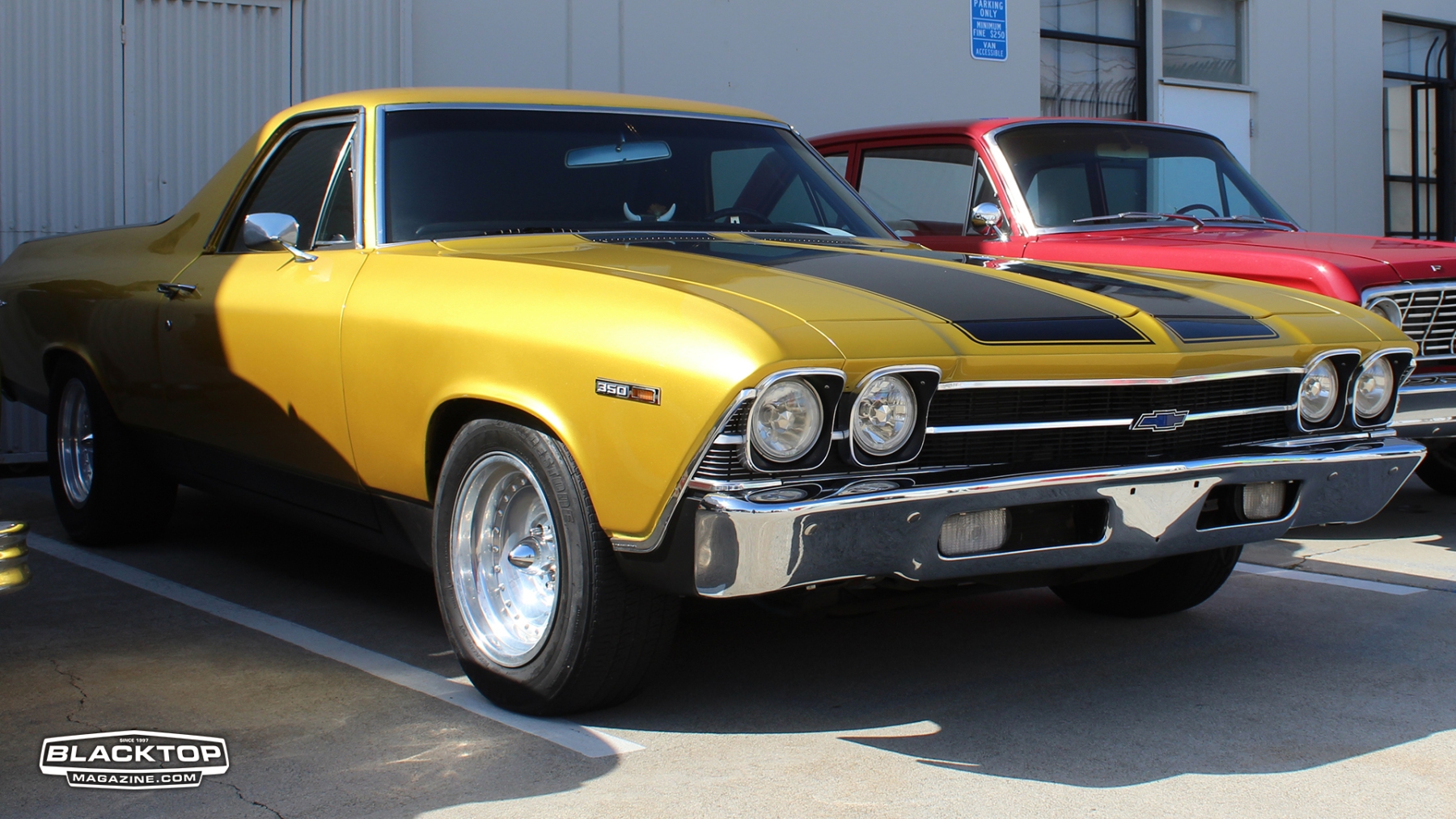
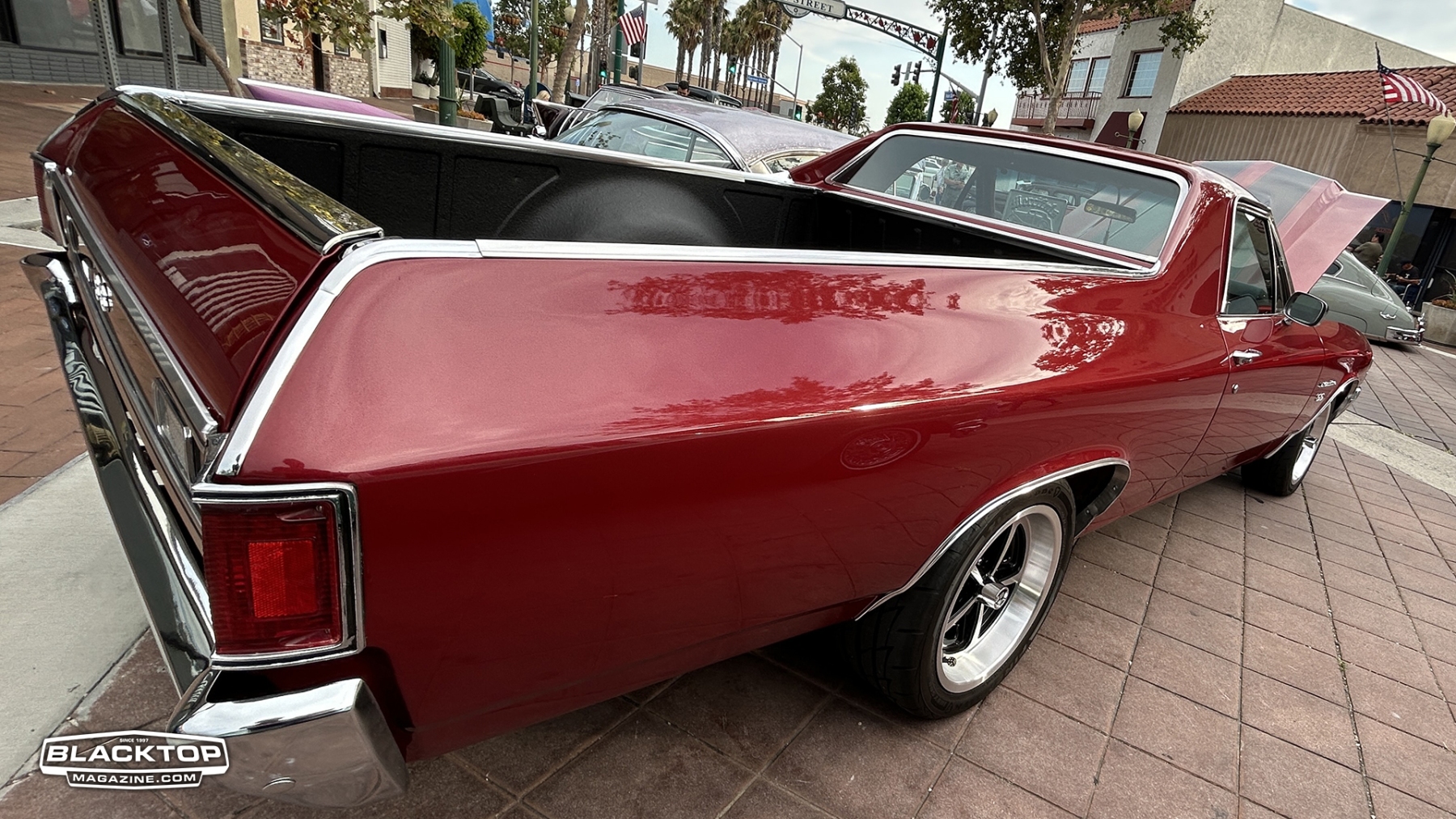
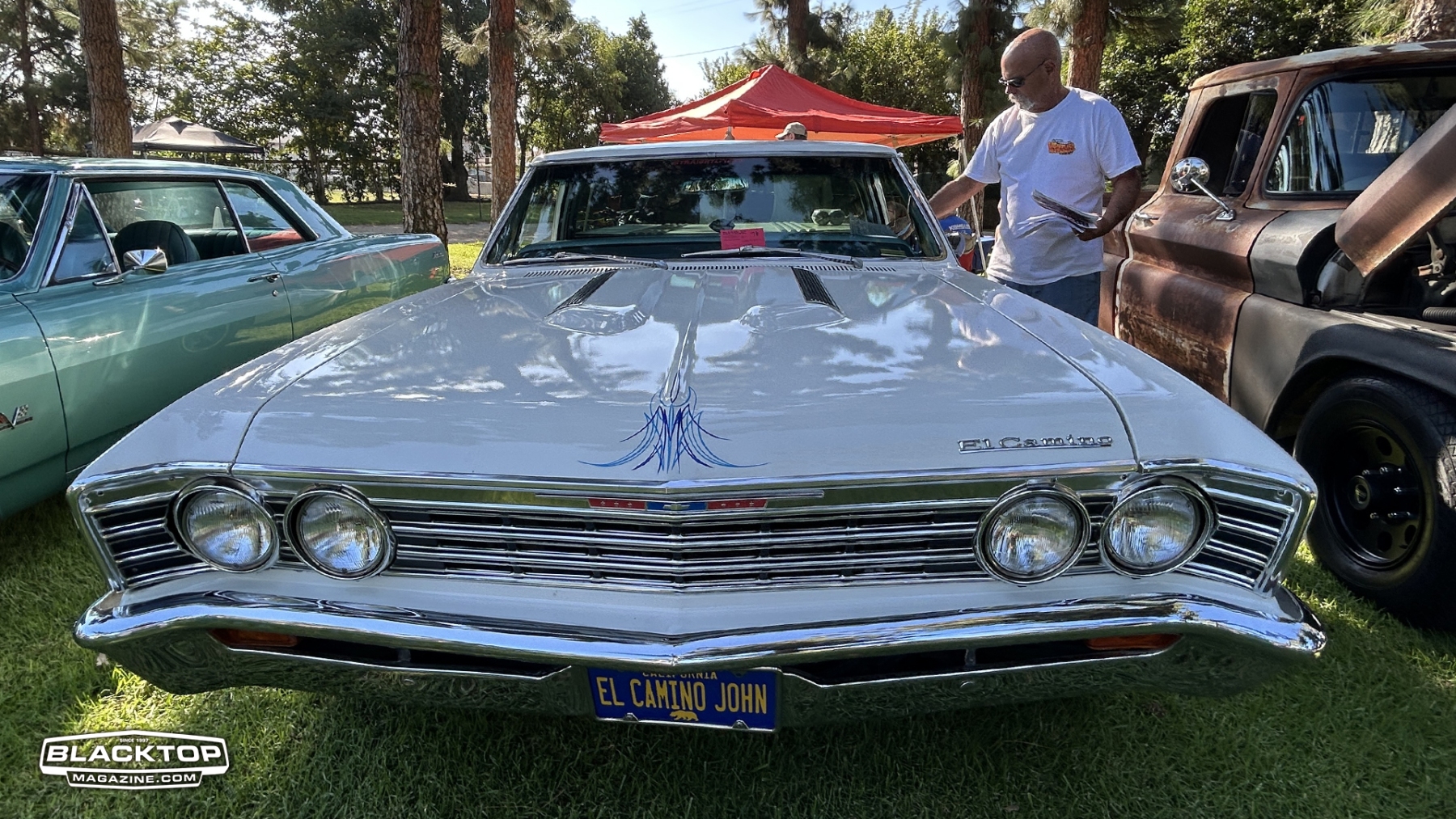
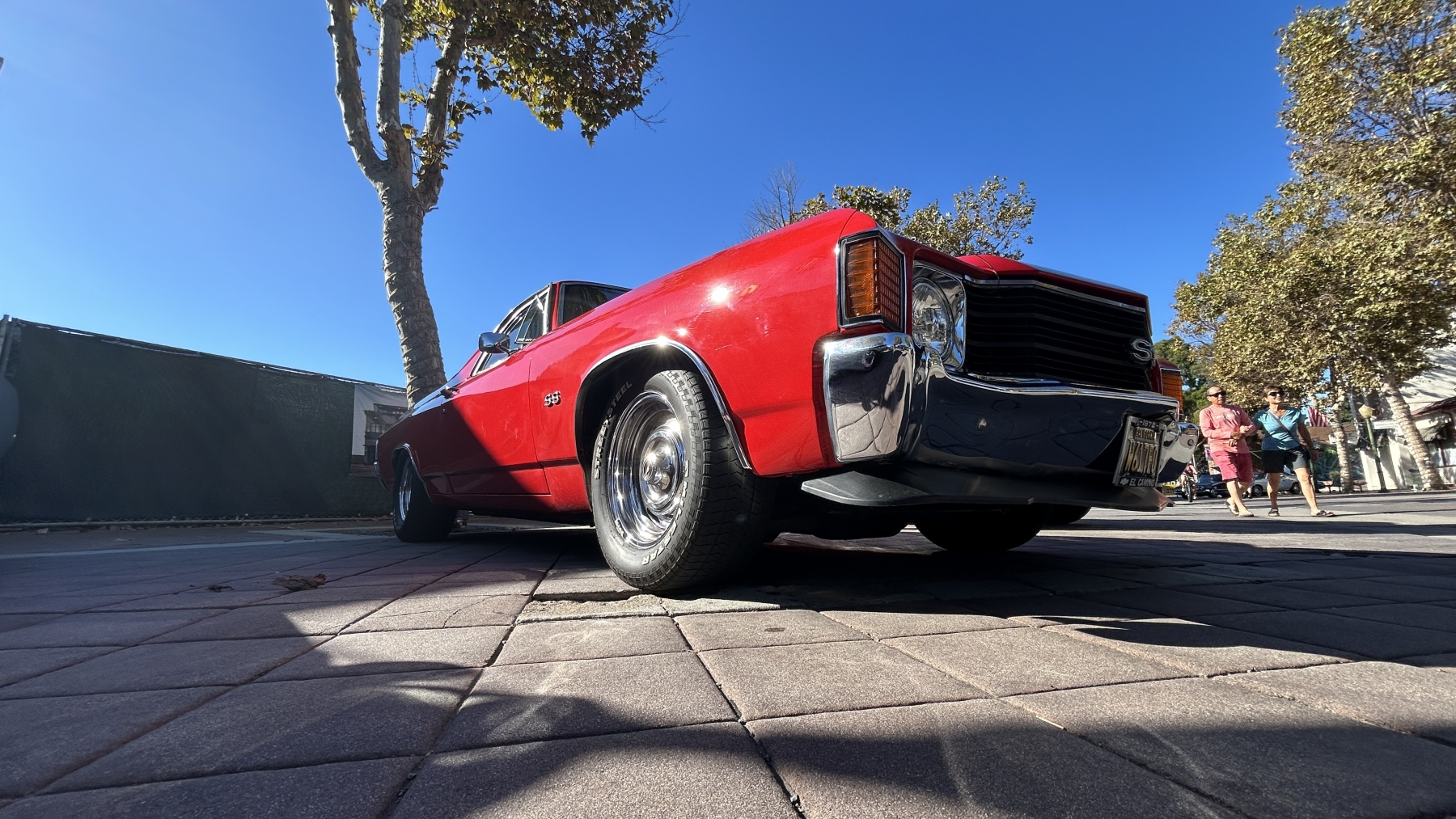
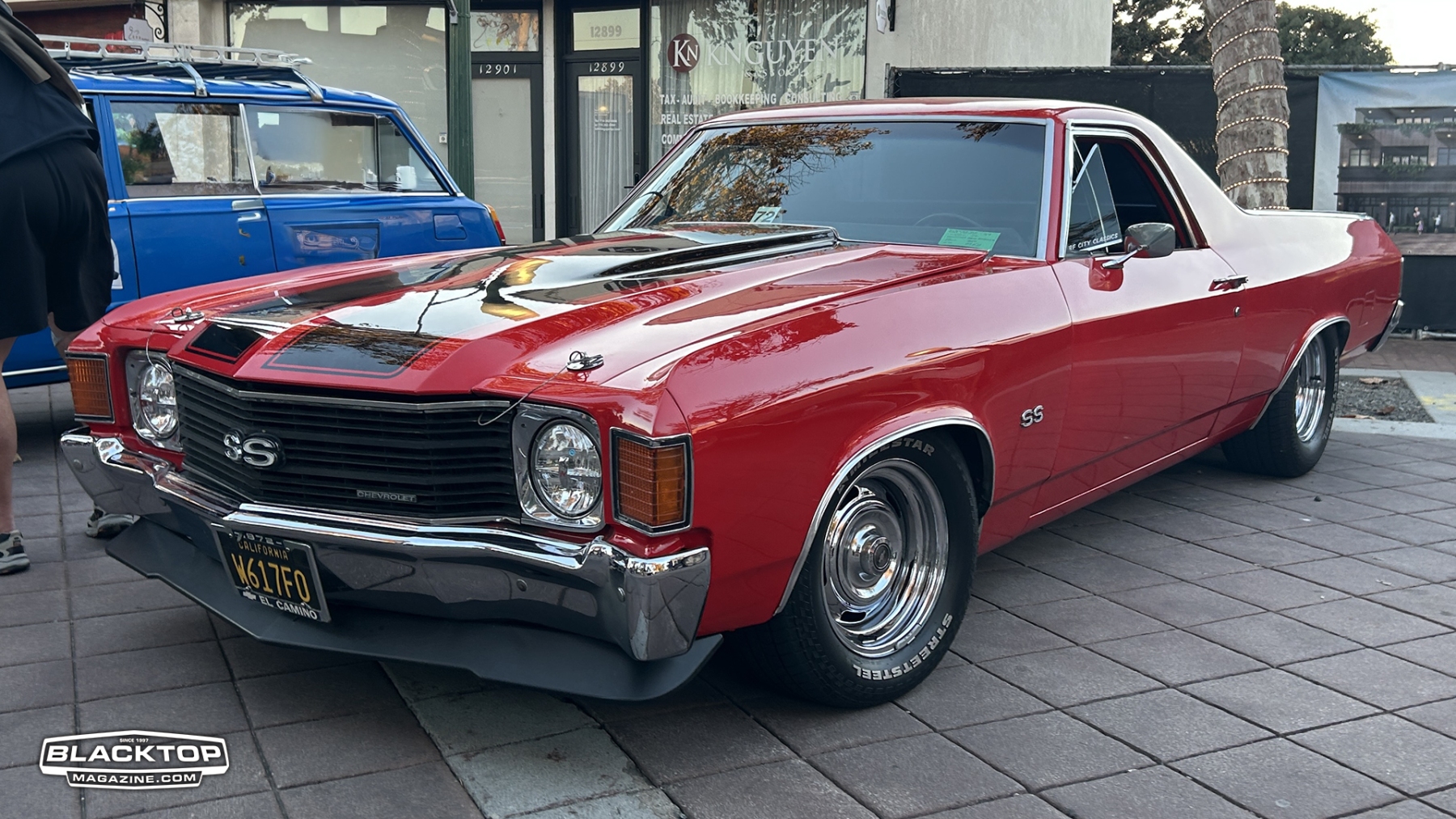
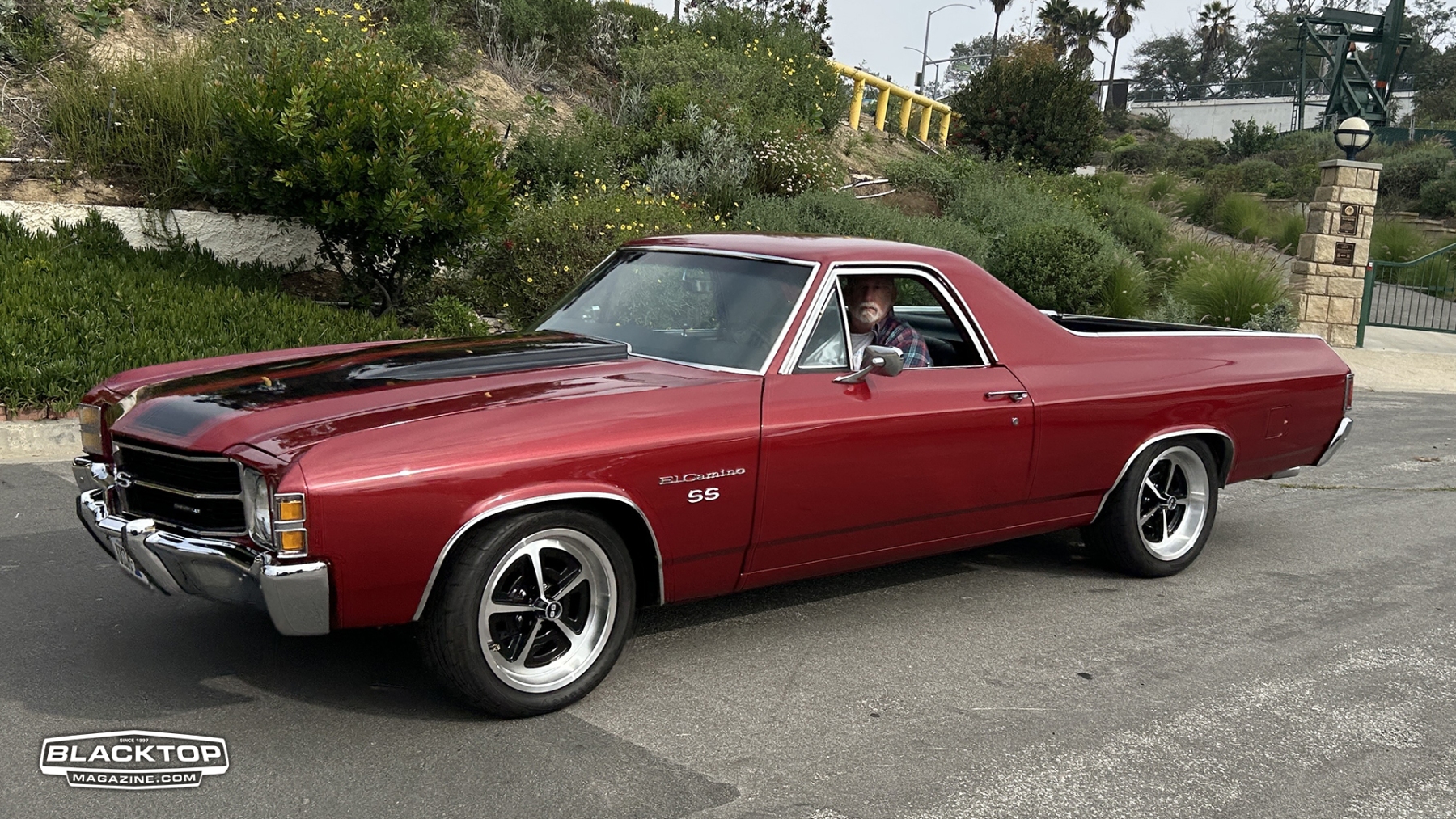
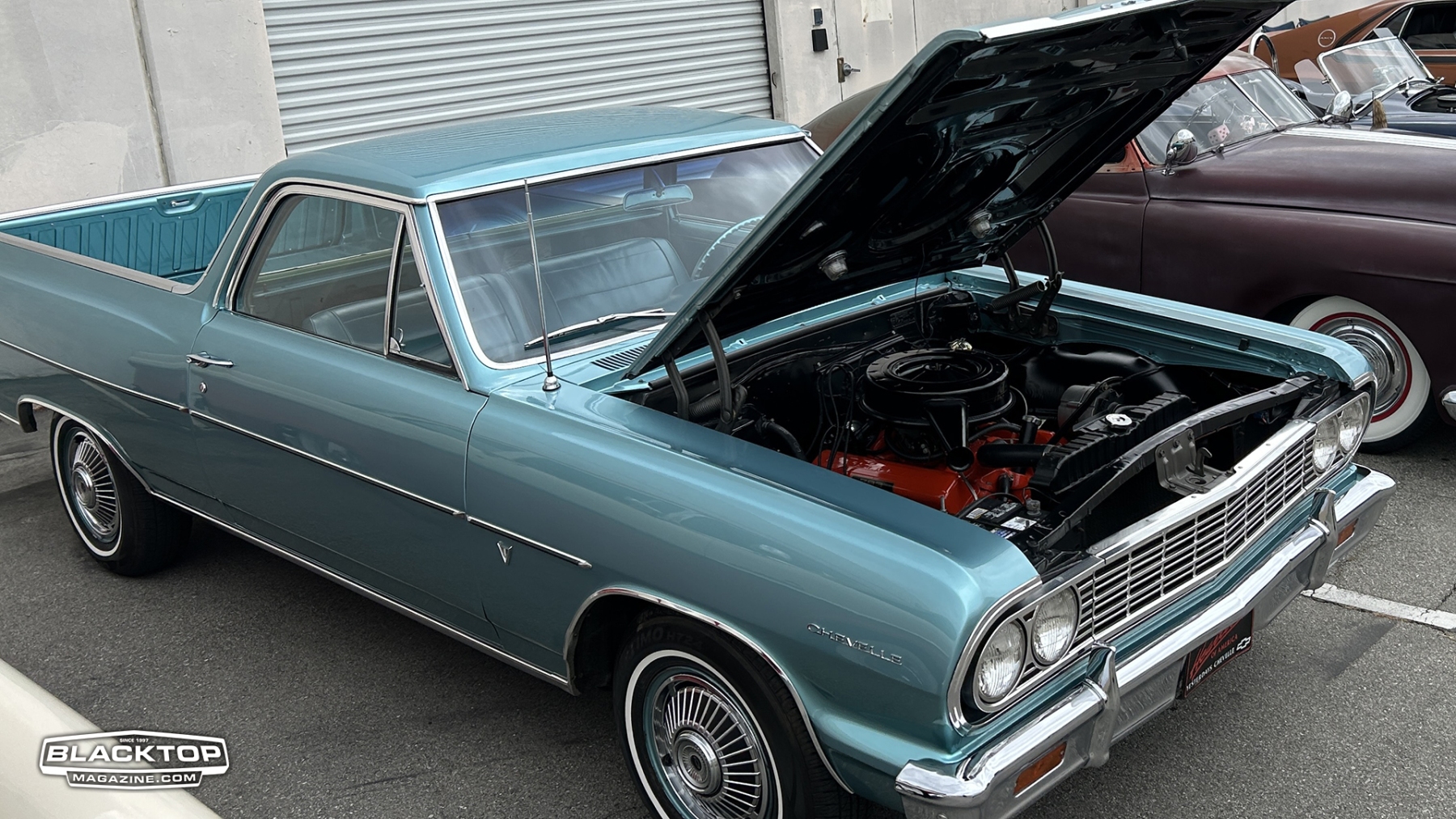
I found this El Camino at a local car show and it has a great story.
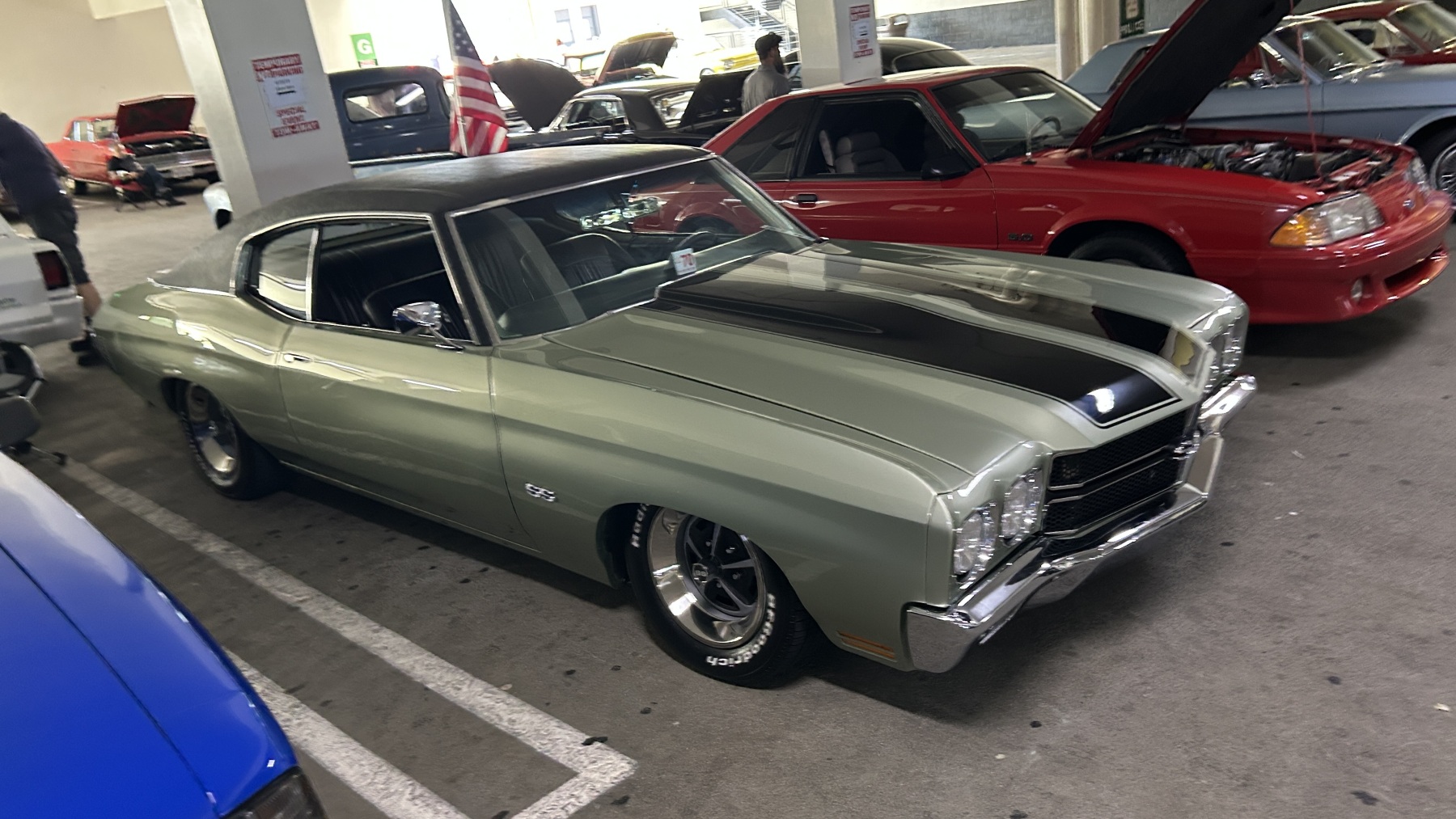
Its front end featured four headlights surrounding a bold grille, while its sculpted body, broad rear quarters and optional stripes gave it a presence that still commands attention. The cowl-induction hood, hood pins, SS wheels and blacked-out grille transformed the otherwise restrained Malibu body into something unmistakably serious.
The SS 396 remained available, although the engine had grown to 402 cubic inches while Chevrolet retained the familiar 396 name. Buyers could select versions rated at 350 or 375 horsepower.
The bigger news was the arrival of the SS 454. General Motors had relaxed its restriction against installing engines larger than 400 cubic inches in its midsize automobiles, opening the door for Chevrolet’s 454-cubic-inch big-block.
The LS5 version was rated at 360 horsepower. Above it stood the legendary LS6, officially rated at 450 horsepower and 500 pound-feet of torque. Equipped with high compression, a solid-lifter camshaft and heavy-duty internal components, the LS6 became one of the most powerful engines offered during the original muscle-car period.
The LS6 did not make every 1970 Chevelle a dragstrip champion. The correct transmission, rear gearing, suspension and driver still mattered. But it gave Chevrolet buyers access to an extraordinary amount of factory performance in a car that could still be driven to work.
That combination is the heart of the Chevelle story.
The Muscle-Car Market Begins to Change
I shot this video for Ron Cambra at the Cruisin’ La Verne Car Show last year.
The 1971 Chevelle received a new front end with two headlights instead of four, along with revised rear styling. Big-block engines remained available, but lower compression ratios, emissions requirements, rising insurance rates and a changing marketplace began to reduce the appeal of high-horsepower street cars.
Horsepower figures also became difficult to compare directly. The industry transitioned from optimistic gross ratings measured under idealized conditions to more realistic net ratings measured with production accessories and exhaust equipment installed. The numbers dropped dramatically even when the real change in performance was less severe.
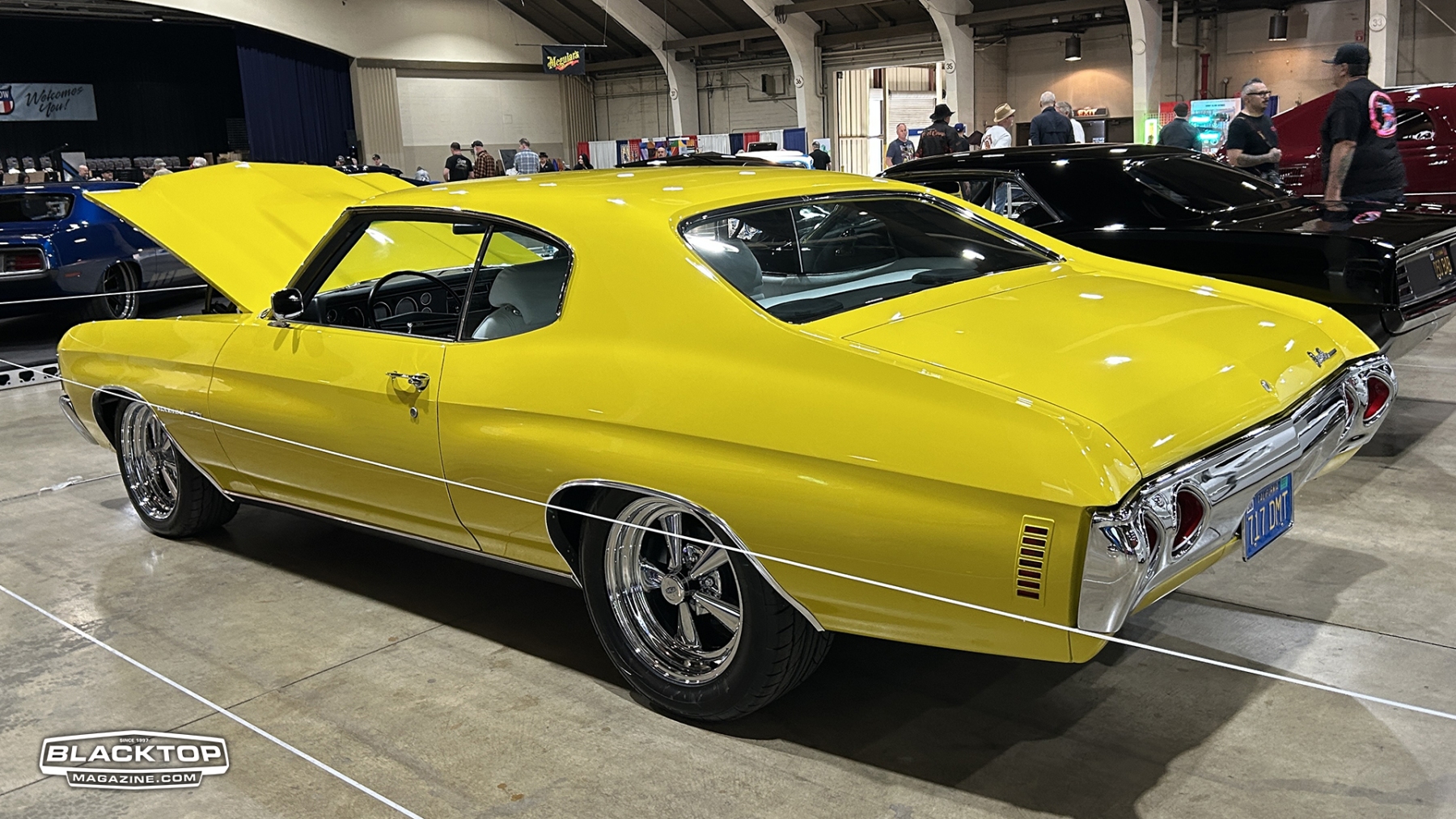
Here’s another ’71 with a bit more design shot at the SEMA Show and built at Customs by Lopez.
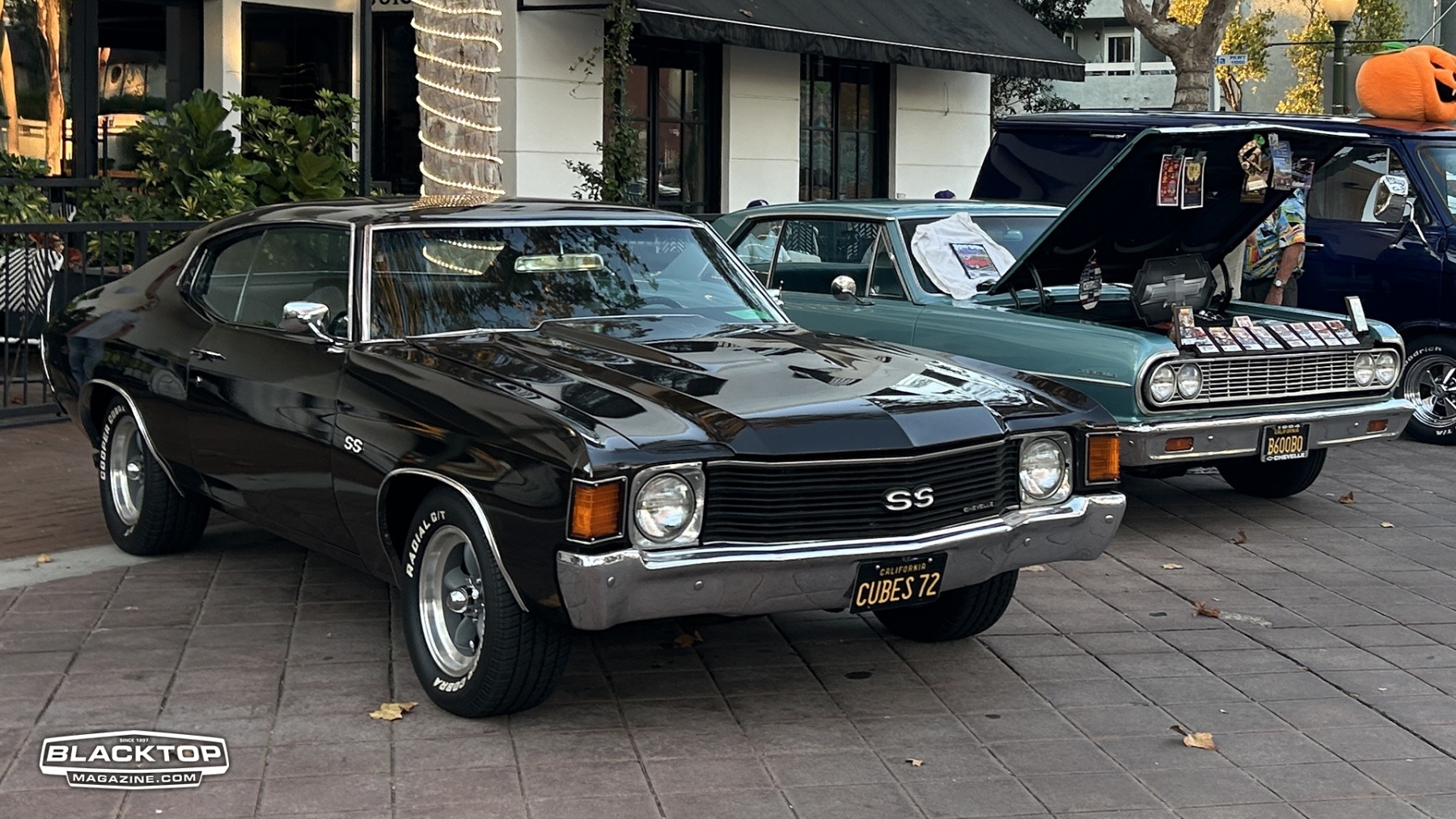
The 1972 Chevelle marked the final year of the second-generation body. Although it lacked the headline horsepower of the 1970 LS6, it retained the classic proportions and basic mechanical strength that made the earlier cars successful.
The Colonnade Generation Arrives
Chevrolet completely redesigned the Chevelle for 1973. The third-generation cars were larger, heavier and more comfort-oriented, reflecting a market increasingly concerned with safety, emissions, fuel economy and personal luxury.
Traditional pillarless hardtops disappeared, replaced by GM’s new Colonnade-style coupes with fixed roof structures and substantial center pillars. The convertible was gone as well. The new lineup included the Chevelle Deluxe, Malibu and upscale Laguna.
The SS package survived for 1973, but this would be its final year on the Chevelle. Performance had not vanished completely, yet the purpose of the car was clearly changing. Softer suspensions, quieter interiors and luxury options now received more attention than quarter-mile times.
The Laguna S-3 and NASCAR
The Laguna gave the third-generation Chevelle an identity of its own. In 1974, the Laguna Type S-3 effectively replaced the SS as the sporting Chevelle. It combined distinctive styling with firmer suspension components, bucket seats, instrumentation and available V8 power.
For 1975, the Laguna received a sloped urethane nose that improved its aerodynamic profile. The street car was no LS6, but its body shape proved valuable in NASCAR. Competition versions of the Laguna helped Cale Yarborough win two consecutive Winston Cup championships, giving the Chevelle one final chapter in serious American racing.
The Laguna disappeared after 1976. The remaining Chevelle models continued for one final season before Chevrolet retired the name following 1977. When GM introduced its downsized midsize lineup for 1978, Malibu became the primary model name.
More Than the SS 454
The LS6 deserves its legendary reputation, but the history of the Chevelle is larger than one engine or model year.
Most Chevelles were not SS cars. They were six-cylinder sedans, small-block Malibus, station wagons and dependable family transportation. That ordinary foundation is what made the high-performance versions so effective. The SS did not look like an exotic sports car. It looked like the car parked in the neighbor’s driveway—until the driver opened the throttle.
That accessibility also helped the Chevelle remain popular long after production ended. The cars were straightforward, adaptable and supported by a massive network of replacement and performance parts. Some were carefully restored to factory specifications. Others became drag cars, Pro Street machines, road-course builds or modern restomods powered by fuel-injected LS engines.
The Chevelle’s Lasting Legacy
The Chevelle represents a period when Chevrolet could build one automobile platform for nearly everyone.
It could be practical or luxurious. It could carry six passengers or two bucket-seat occupants. It could leave the dealership with an economical inline-six or one of the most powerful big-block engines Detroit had ever offered.
The Chevelle did not merely participate in the muscle-car era. It helped define it. From the restrained 1964 Malibu SS and rare 1965 Z16 to the SS 396, LS6 454 and aerodynamic Laguna S-3, the Chevelle continually adapted to its time.
That is why it remains more than a collectible Chevrolet. It is a rolling record of the American automobile industry at its boldest—when practical family cars could be transformed into genuine performance machines with the right boxes checked on an order form.